
How to use silent practice to evolve without disturbing others.
Adopting the technique of Silent practice for evolution. Studying musical instruments or audio production represents a drastic change for those who live in apartments or integrated condominiums.
Advertisements
This training methodology focuses on drastically reducing the emission of external noise while maintaining maximum acoustic fidelity for the student.
The need to maintain a consistent workout routine clashes with the rules of urban living and the pursuit of residential privacy.
Adjusting your equipment to digital formats and using modern mechanical dampening techniques ensures continuous technical evolution without generating noise friction with your neighbors.
To guide you in setting up an efficient, quiet, and productive learning ecosystem, we have prepared this guide with technical and market-related foundations.
Advertisements
What is the low-noise training approach and how does it work?
Understanding the concept of this study format requires analyzing the transition from physical acoustic sound to controlled electrical or mechanical signals.
The methodology of Silent practice for evolution. It consists of isolating the sound source, channeling the resulting audio directly to the musician's individual monitoring system.
Instead of projecting sound waves into the environment through loudspeakers or natural resonance chambers, the artist uses digital transducers.
Magnetic sensors, piezoelectric sensors, and electronic triggers transform physical impact into data that is immediately processed by specialized software.
This engineering allows traditionally noisy instruments, such as drums and distorted guitars, to operate at the same volume as a casual conversation in a bedroom.
The outside environment registers only soft rubber clicks or dry strumming, while the student hears a high-definition, professional arrangement.
What equipment is essential for structuring this ecosystem?
Setting up an efficient infrastructure requires targeted investments in signal conversion technologies and high-fidelity ear monitoring systems.
The central point of this arrangement is the audio interface, a component that translates the electrical impulses from the instrument to the personal computer.
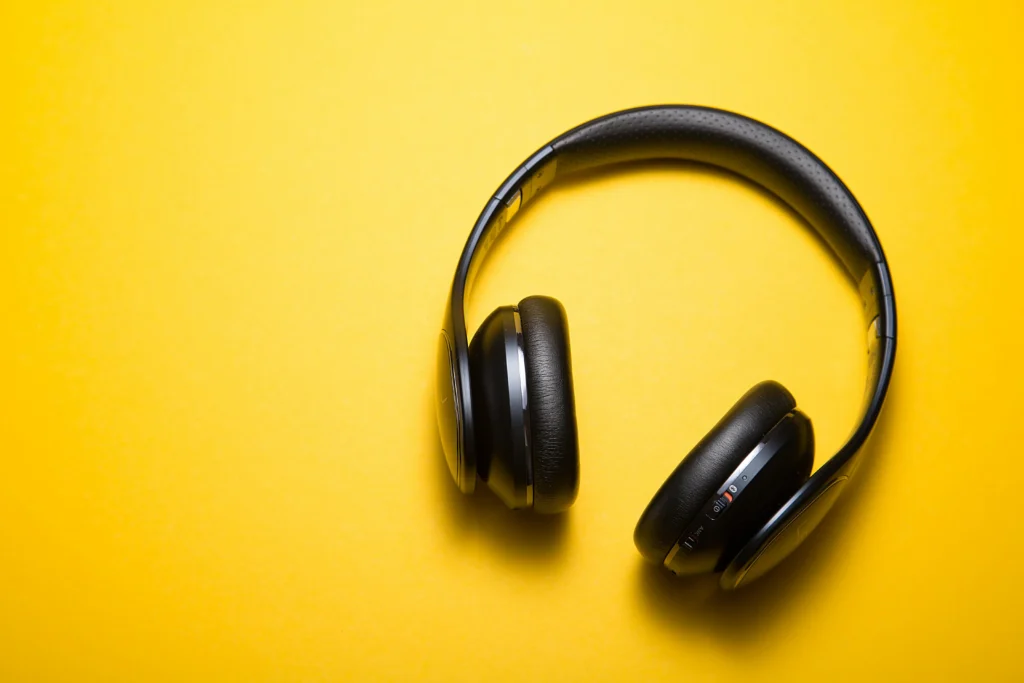
Closed-back, over-ear studio headphones offer superior passive noise isolation and prevent leakage.
Professional models guarantee a flat frequency response, allowing the identification of dynamic nuances important for the student's technical development.
For guitarists, impulse response loading systems, known in the recording industry as Impulse Responses, perfectly simulate renowned loudspeakers.
You can find detailed libraries and professional simulation software by accessing the official platform of Aura Plugins, optimizing your digital processing.
How can different instruments be adapted for silent practice?
Each family of instruments requires customized hardware solutions to mitigate sound waves without compromising the musician's tactile sensitivity.
The application of Silent practice for evolution. On a piano, for example, this is easily solved with digital models that have weighted keys with hammer action.
Electronic Drum Kits and Practice Pads
Drummers face the greatest technical challenge due to the mechanical impact of the pedals directly against the floors of residential apartments.
Using mesh head (nylon mesh) drumheads reduces drumstick noise to almost zero, simulating the real rebound of the drum.
Electric Guitars and Basses
Guitarists benefit greatly from plug-and-play headphone amplification systems or modern pedalboards with advanced digital modeling.
These devices eliminate the need for heavy speaker cabinets, delivering high-quality sound directly to the auxiliary audio output of the device.
Noise emission comparison: Traditional vs. Silent
Below, we have organized the actual technical data that exemplifies the difference in sound pressure measured in decibels between conventional and digital acoustic practices.
Read more: How to use your own recordings to improve your music career faster
Analyze the indicators to understand the real impact that behavioral change generates in the collective residential environment.
| Instrument Evaluated | Traditional Acoustic Mode | Adapted Silent Mode | Actual Reduction Level | Perception of the Close Neighbor |
| Acoustic/Electronic Drum Kit | 110 dB (Very Loud) | 45 dB (Rubber Clicks) | 65 dB reduction | Equivalent to typing on a keyboard. |
| Electric Guitar (Amp / Headphones) | 95 dB (Annoying) | 35 dB (Dry Pick) | 60 dB reduction | Virtually imperceptible |
| Acoustic Piano / Digital Keyboard | 85 dB (Audible) | 30 dB (Mechanical Keys) | 55 dB reduction | Sound of light footsteps in the room |
| Human Voice (Singing / Mute) | 80 dB (Expandable) | 40 dB (Muffled Voice) | 40 dB reduction | Whispered conversation next door |
Why does this methodology accelerate the musician's technical development?
The gains in learning efficiency are not limited to respecting urban zoning laws, but also extend to profound cognitive advantages.
Use the Silent practice for evolution. It removes the psychological block of fear of making mistakes or of bothering the people around you.
The freedom to repeat the same complex musical passage hundreds of times creates a solid and highly accurate foundation of muscle memory.
Learn more: Musical micro-practice technique for faster progress
Without the external pressure of others listening to preliminary studies, the student focuses entirely on correcting posture, rhythm, and dynamics.
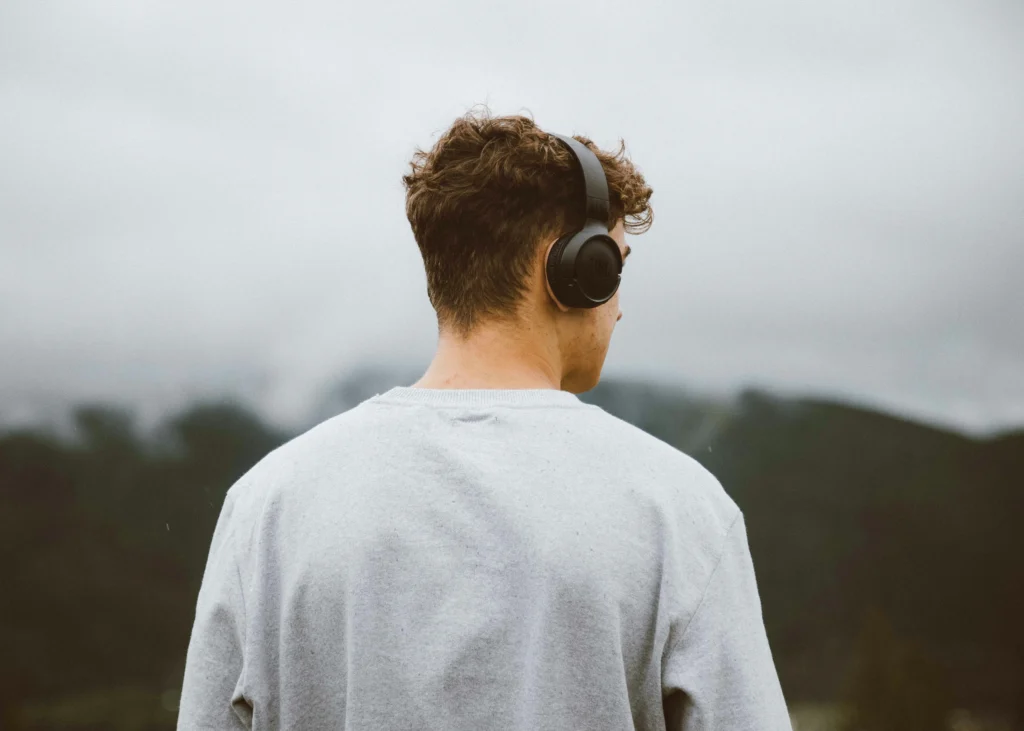
Using closed-back headphones also blocks out distracting noises from the house, creating a bubble of absolute concentration for the brain.
This controlled sound isolation allows for deeper study sessions, increasing long-term retention of the practiced material.
The verdict for evolving musically in any environment.
Modern technology has democratized access to high-performance study, eliminating the physical barriers that separated musicians from their goals.
Respecting the collective silence of your community is a demonstration of citizenship that goes hand in hand with your artistic growth.
Read more: How to develop children's sound perception through creative games.
Choose the right equipment, configure your simulation software accurately, and maintain a focused daily routine of calm training sessions.
Consistent technical evolution arises from intelligent discipline, transforming the silence of your room into the virtual stage for your greatest practical advancements.
To check the legal noise emission limits in urban areas and understand your residential rights and responsibilities, consult the... Federal Legislation of the Planalto.
Being protected by current regulations ensures that you can plan your study sessions with complete legal security and peace of mind.
Frequently Asked Questions (FAQ)
Can the constant use of headphones for exercise damage your hearing?
Only if the volume is out of balance; keep the intensity below eighty decibels and take ten-minute breaks every hour of continuous study.
How can I reduce the impact of the bass drum pedal on the floor below when using an electronic drum kit?
Build a simple floating platform using MDF boards interspersed with pieces of EVA foam mats or tennis balls cut in half.
Does training on an electronic drum kit hinder adaptation to an acoustic instrument?
No, as long as the equipment uses mesh head type drumheads adjusted to the correct tension to faithfully simulate the rebound of real drums.
Is it possible to practice singing quietly in small apartments?
Yes, there are portable vocal mufflers in mask form that drastically reduce voice projection, allowing for intense warm-ups without sound leakage.
