
Best in-ear headphones for musicians rehearsing
Find the best in-ear headphones This represents a watershed moment for instrumentalists and vocalists who face the noise pollution of rehearsal rooms and overcrowded stages.
Advertisements
Choosing the right monitor system preserves the artist's hearing health and significantly improves the accuracy of collective musical performance in real time.
What are in-ear monitors and how do they protect your hearing?
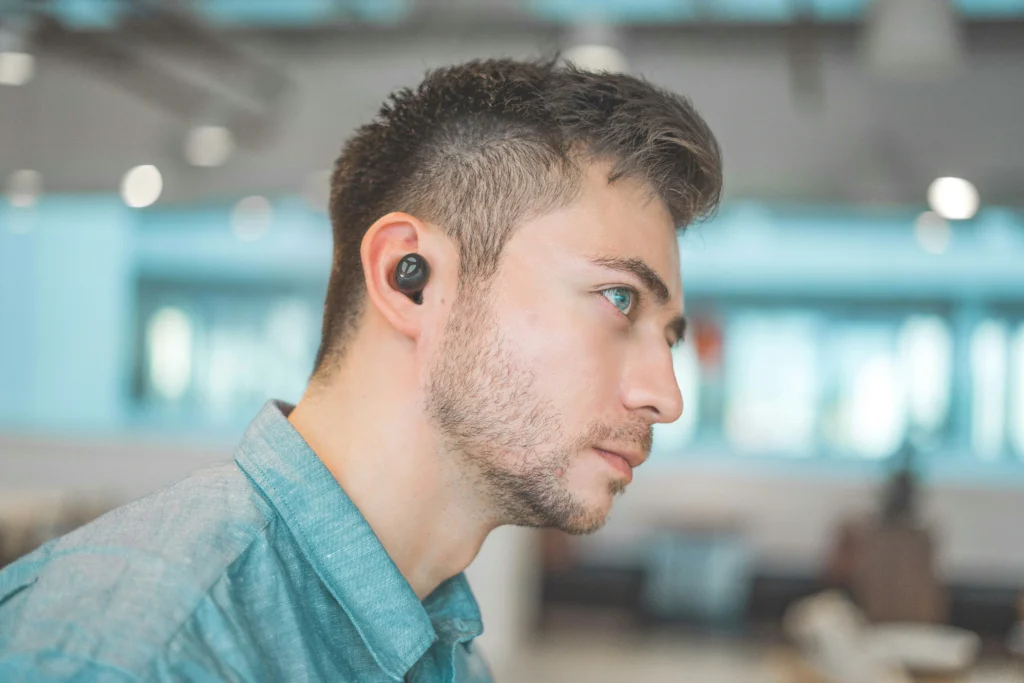
These professional audio devices, also known as in-ear monitors (IEMs), attach directly to the musician's ear canal to deliver a personalized and clean sound mix.
Unlike commercial headphones focused on artificial bass, models designed for technical monitoring prioritize a balanced, faithful, and extremely high-definition sound signature.
By physically sealing the ear against the overwhelming sound of drums and guitar amplifiers, these devices drastically reduce exposure to harmful volumes.
Advertisements
This mechanical barrier allows the musician to work at a much lower and safer decibel level, avoiding chronic problems such as permanent tinnitus.
Why do musicians prefer in-ear systems to floor monitors?
Traditional monitor speakers scattered across the studio floor often lead to complex feedback problems and low-frequency leakage that muddy the ambient sound.
Switch to best in-ear headphones This resolves the impasse, as each band member can hear exactly what they need to sing or play in tune.
Another crucial advantage lies in the consistency of its monitoring mix, regardless of the size or poor acoustics of the venue where the rehearsal takes place.
Freedom of movement within the studio space increases considerably, since the ideal listening point moves attached to the instrumentalist's own body.
What are the most recommended in-ear headphone models for rehearsals?
The search for the ideal equipment involves analyzing the type of instrumentation being used, the available budget, and the level of acoustic isolation required for frequent rehearsals.
Established brands in the professional audio market offer everything from highly efficient entry-level options to multi-driver systems designed to capture the most subtle nuances.
To help you make a choice based on market data, the following table details the technical specifications of three benchmark monitoring models:
| In-Ear Monitor Model | Internal Driver Type | Medium Noise Isolation | Recommended Sound Profile |
| Shure SE215 | 1 Dynamic Single Driver. | Up to 37 dB of attenuation. | Full-bodied bass sounds, ideal for drummers and bassists. |
| Sennheiser IE 100 Pro | 1 Innovative Dynamic Driver. | Up to 26 dB of attenuation. | Flat frequency response, great for vocals and strings. |
| KZ AS16 Pro | 8 Balanced Armor (BA). | Up to 25 dB of attenuation. | Extreme channel separation, perfect for keyboard players. |
According to the technical specifications found in the official guides of Shure Brazil, The passive acoustic isolation of these headphones depends directly on the correct use of the moldable foam ear tips.
How does the type of internal driver affect your instrument's performance?
Dynamic headphones utilize a traditional diaphragm that moves to circulate air, generating a natural, robust, and very visceral bass response.
This physical characteristic makes them perfect for bass players and drummers, professionals who need to feel the rhythmic impact of the bass drum and the lower frequencies with clarity.
On the other hand, models equipped with balanced armatures deliver superior response speed in the mid and high frequencies of the musical scale.
Learn more: Top 5 Headphones for Musicians Practicing at Home
Investing in best in-ear headphones Hybrid systems, which combine both technologies, ensure that guitarists, keyboardists, and vocalists hear every harmonic detail without signal distortion.
How to choose the ideal exhaust tip to achieve maximum sound insulation?
The performance of your stage monitor is directly linked to the airtight seal achieved between the headphone body and the walls of the ear canal.
Silicone tips offer excellent durability and ease of regular cleaning, but they don't always adapt perfectly to the anatomical imperfections of each individual.
Learn more: A practical guide to listening to music for children, according to experts.
Memory foam ear cushions expand after insertion into the ear, filling all empty spaces and blocking out external sound more effectively.
This blocking is vital in heavy metal or rock rehearsals, where the volume of the drum cymbals often intrudes and ruins poorly sealed monitor mixes.
What daily care tips can increase the lifespan of your headphones?
The moisture generated by sweat during long rehearsals and the natural buildup of earwax are the biggest enemies of internal electronic components.
Acquire the best in-ear headphones It requires a commitment to clean the sound output ducts with the included brushing tool after each session.
Read more: Comparison: open vs. closed headphones for musicians
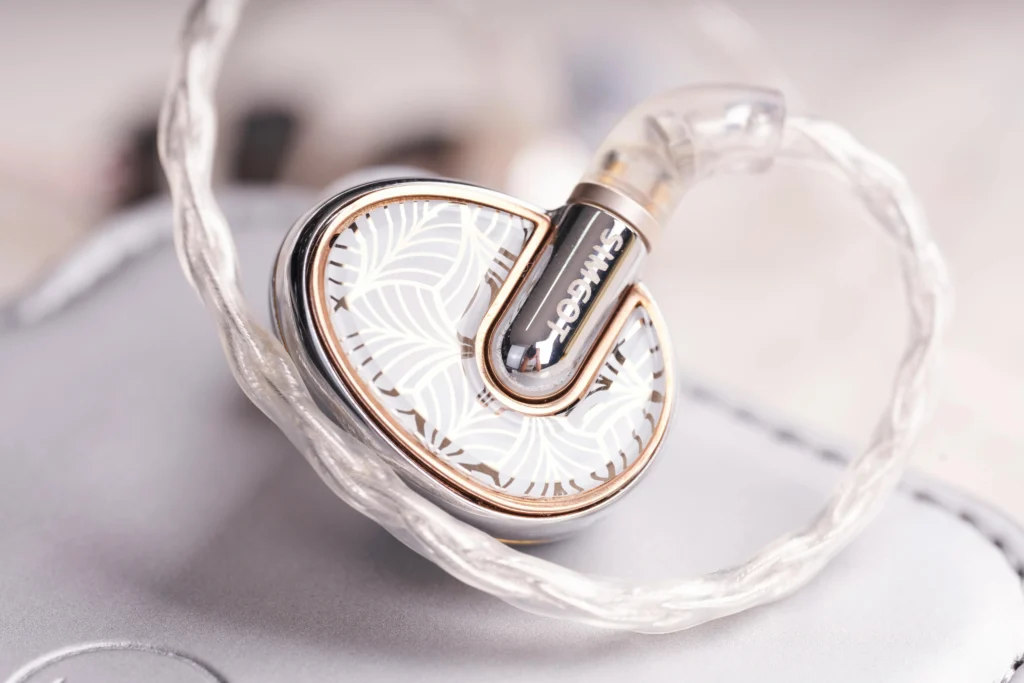
Storing your headphones in appropriate hard cases prevents removable cables from suffering excessive twisting or internal breakage at the connector solder points.
To understand the national technical standards regarding daily exposure limits to continuous noise in music, it is worth consulting the portal of... Ministry of Labor and Employment, which regulates workplace safety in the country.
Following these practical guidelines ensures a long and secure musical career, with maximum sonic fidelity, allowing you to create your arrangements without technical setbacks.
Frequently Asked Questions (FAQ)
What is the real difference between regular in-ear headphones and professional in-ear monitors?
Commercial headphones often color the sound by artificially boosting the bass, while professional monitors aim for a balanced and faithful frequency reproduction.
Are in-ear headphones with detachable cables really more advantageous for musicians?
Yes, because the cable is the part that suffers the most mechanical wear during testing, allowing for quick replacement of the wire without the need to buy a new headset.
Is it safe to use wireless in-ear monitoring systems in smaller rehearsal studios?
Yes, provided the system operates on frequencies free from local Wi-Fi interference and the transmitter is positioned in the direct line of sight of the receiver.
How do I know the correct size of rubber tip for my ear canal?
The ideal ear tip should fit snugly, not cause pain after an hour of continuous use, and seal out external sound to the point of muffling your own spoken voice.
