
Review of Brazilian percussion instruments for beginners
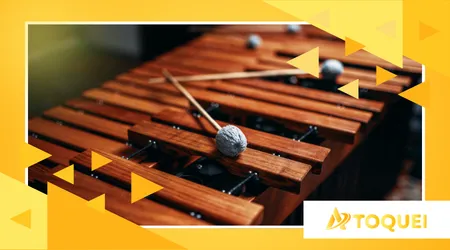
Reviewing Brazilian percussion instruments requires delving into the rich rhythmic tapestry that uniquely defines our cultural and musical identity.
Advertisements
In this guide, we will analyze the best options for those who wish to begin their journey in the world of percussion in 2026.
We will cover everything from the technical construction to the ergonomics of essential instruments.
Summary
- Tambourine: Versatility in one hand.
- Deafness and the foundation of rhythm.
- Cuíca: The song of percussion.
- Comparative table of models.
- Maintenance and conservation tips.
- FAQ for beginners.
What are the best percussion instruments for beginners?
Entering the world of Brazilian music requires attention to the details of its construction.
THE Review of Brazilian percussion instruments It necessarily begins with the tambourine, considered a pocket-sized drum set.
Advertisements
For beginners, 10-inch models with nylon heads are ideal. They offer weather durability and a crisp sound, making it easy to learn the basic strokes: thumb, toe, and heel.
Traditional brands like Contemporânea and Gope continue to lead the market in 2026. They deliver robust hardware that can withstand the stress necessary for consistent daily practice.
The surdo drum is another excellent entry point. Its function is to keep the beat, the "heart" of samba. Beginners should opt for aluminum surdos because of their lightness and ease of transport.
The tantã, a cousin of the surdo drum, is vital to pagode music. A 14-inch model with an animal skin or synthetic naugahyde head provides that characteristic deep, velvety bass sound.
Why invest in national brands for percussion instruments?
The Brazilian music industry has reached a level of global excellence. By carrying out a Review of Brazilian percussion instruments, We realized that the local wood directly influences the final tone.
Percussion instruments utilize woods such as pine and marine plywood.
These materials guarantee a resonance that foreign brands rarely manage to replicate with the same tonal fidelity as Brazilian brands.
Beyond the sound quality, technical support is simplified. Buying domestically produced means having easy access to replacement parts, such as tuning pegs, jingles, and drumheads specific to each chosen model.
The cost-benefit ratio remains attractive in 2026.
Even with inflation, instruments manufactured in Brazil avoid excessive import taxes, allowing beginners to acquire professional equipment for less.
You can check the detailed technical specifications of materials on the portal of Brazilian Association of the Music Industry (ANAFIMA), which constantly monitors the quality of national production.
How to choose the ideal drumhead for your first instrument.
The skin is the soul of any percussion instrument. In this Review of Brazilian percussion instruments, We would like to point out that the choice between animal or synthetic leather completely defines your sound style.
Leather drumheads offer a warmer, more traditional sound. However, they suffer from humidity, losing their tuning quickly on rainy days, which can be frustrating for those who are just learning.
Synthetic drumheads are more resilient and practical. They maintain constant tension, making them perfect for long rehearsals and live performances where tonal stability is a top priority.
For the tambourine or tantã, many percussionists prefer the naugahyde skin. It combines the warmth of leather with the durability of plastic, resulting in a full-bodied and very pleasant sound.
++ Comparison: acoustic vs. electric bass
In the case of the samba tambourine, goatskin is paramount. It allows for the execution of deep bass notes and defined treble, essential for the characteristic swing of the genre.
Where does the cuíca fit into the learning process of a beginner percussionist?
Many consider the cuíca too complex an instrument for beginners. However, including it in this Review of Brazilian percussion instruments It is fundamental to understanding rhythmic melody within percussion.
The cuíca requires fine motor coordination and sensitivity. Beginners should first focus on sound clarity, ensuring that the friction of the gambeta produces clear notes without unwanted noise.
8 or 10-inch stainless steel models are the most recommended. The metal offers superior sound projection, allowing the instrument to stand out even in noisy samba circles.
Maintaining a cuíca is a learning process in itself. Lubricating the rim with rosin or chalk powder and caring for the skin are rituals that bring the musician closer to their instrument.
++ Best looping pedals for acoustic guitar
Mastering the cuíca opens doors to understanding polyrhythms. It functions as a soloist within the percussion ensemble, raising the technical level of any musician who dedicates themselves to its study.
Technical comparison of instruments for beginners in 2026
Below, we have organized the technical data for the main instruments to facilitate your purchase decision.
| Instrument | Common Material | Ideal Size | Skin Type | Difficulty Level |
| Tambourine | Wood / ABS | 10″ | Nylon or Leather | Average |
| Deaf | Aluminum | 14″ to 18″ | Napa or Nylon | Low |
| Tantã | Wood | 14″ | Naugahyde | Low |
| Cuica | Stainless steel | 9″ | Animal Leather | High |
| Repique | Aluminum | 12″ | Nylon | Average |
What accessories are essential for a beginner percussionist?
It's not enough to just buy the instrument; the accessories ensure comfort and longevity.
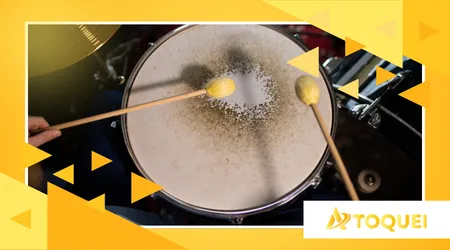
A good Review of Brazilian percussion instruments It should be mentioned that padded covers are important for impact protection.
High-quality straps or belts are essential for surdos and repiques. They distribute the weight of the instrument across the shoulders, preventing lower back pain and allowing you to play for several hours at a time.
++ Review of portable digital tuners
Spare tuning keys are essential in any bag. Losing your tuning in the middle of a samba session is common, and having the right tool on hand prevents unnecessary setbacks.
For those who choose the tambourine, using wax specifically formulated for the skin can help the fingers glide more easily. This facilitates the execution of more sophisticated and rapid rhythmic rolls and effects.
Investing in ear protection is also a smart decision. Brazilian percussion reaches high decibel levels, and protecting your hearing from the start will ensure a long and healthy musical career.
When to upgrade to professional-grade instruments
The transition to professional equipment should occur as your technique improves. This Review of Brazilian percussion instruments This suggests that the ideal time is when you realize the beginner's tonal limitations.
Professional instruments have more comfortable rims and heat-treated hardware. This means they hold their tuning for much longer, even under heavy use on stage or during recordings.
The resonance of a top-of-the-line instrument is noticeably superior. The fundamental notes are purer, and unwanted harmonics are minimized by the precise construction and high-density materials.
Many percussionists choose to customize their instruments at this stage. Replacing factory jingles with bronze or brass versions on the tambourine, for example, completely transforms the musician's sonic signature.
The increased resale value of established brands is also a positive point. A well-maintained instrument retains its market value, serving as an investment for future upgrades to your musical setup.
Conclusion
Choosing the right equipment is the first step to musical success. This Review of Brazilian percussion instruments It demonstrated that national quality is the ideal path for those seeking authenticity.
Starting with a nylon tambourine or a wooden tantã provides the necessary solid foundation. Over time, your auditory sensitivity will guide your future choices toward more specific timbres.
Remember that percussion is, above all, a form of communication and cultural expression. Respect the traditions of each instrument while developing your own rhythmic voice and personal style.
Keep your instrument clean and in tune to ensure the best performance. Brazilian music thanks you for your interest and dedication to preserving these vibrant and lively rhythms.
To continue learning about rhythms and techniques, visit the website of National Arts Foundation (Funarte), where there is a vast amount of historical material about our music.
FAQ – Frequently Asked Questions
Is it better to start with a leather or nylon tambourine?
For beginners, nylon is recommended for its practicality. It doesn't lose its color with temperature changes and requires less immediate maintenance than animal leather.
What is the most suitable size of bass drum for carrying?
The 14-inch bass drum (also called a cutaway bass drum) is the lightest. It's ideal for those who need to travel to rehearsals without sacrificing bass.
How can I tell if my instrument is tuned correctly?
The tuning should be uniform across all screws. Tighten them in a crisscross pattern to ensure the drumhead stretches evenly, preventing deformation of the rim or the drumhead itself.
Are wooden instruments better than metal instruments?
It depends on the desired sound. Wood offers deeper, more organic tones, while metal delivers more brightness, volume, and sound projection in open environments.
