
Soprano, concert, tenor, and baritone ukuleles: which is best for beginners?
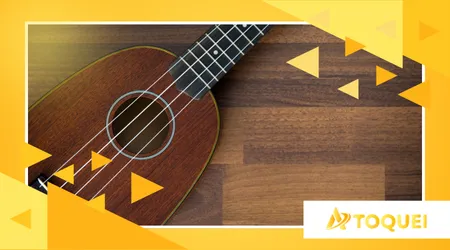
The world of the ukulele is vast and welcoming, but choosing your first instrument can raise a crucial question: between Soprano, concert, tenor, and baritone ukuleles, Which one is best for beginners?
Advertisements
For those who are just starting out, this decision goes far beyond a simple sonic whim.
It will shape your initial experience with the instrument.
Why is choosing the right first ukulele crucial for a beginner?
The truth is, there's no single answer. The "best" ukulele is the one that suits your body and your musical style. The size of the instrument directly affects playability and sound.
Many beginners get frustrated and give up because they choose an unsuitable model. It's necessary to understand the differences between... size and timbre.
Advertisements
This careful analysis prevents wasted investments in an instrument that doesn't meet your needs. A beginner deserves maximum comfort.
Read more: How to identify truss rod problems in the neck of a guitar
What are the characteristics of each type of ukulele?
Let's explore the specifics of each of the four most common types. They vary drastically in scale and volume.
Soprano Ukulele: The Classic and Compact
The soprano model is the most traditional and smallest of the family. Its scale, generally around 33 cm, makes it extremely portable.
It has a brighter, more treble-heavy sound, and the tone is undeniably Hawaiian. The frets are closer together, which is great for smaller hands.
However, the small space can be a challenge for those with thicker fingers. It's the sound most people associate with the ukulele.
++ Best motor coordination exercises for drummers
Concert Ukulele: The Balance Between Size and Sound
The concerto, with a scale of about 38 cm, is a very popular middle ground. It offers a little more space on the arm than the soprano.
This extra dimension makes it easier to play more complex chords. The volume and resonance are a bit bigger, fuller.
It's a solid option for those seeking comfort and a fuller sound. The concert model is a universal favorite among musicians of all levels.
++ How to learn fife in a group: tips for beginners
Tenor Ukulele: For Solos and Greater Expression
With a scale length of around 43 cm, the tenor instrument already has a larger body and a richer sound. The resonance is noticeably superior.
It's a favorite among soloists because the spacing between the frets is ideal. Musicians who play guitar adapt to it quickly.

Many tenor instruments are tuned the same way (GCEA), but with the G string tuned an octave lower (Low G). This enriches their sound.
++ Differences between types of Ukuleles
Baritone Ukulele: Why is it similar to a guitar?
THE Soprano, concert, tenor, and baritone ukuleles They have a fundamental distinction in the baritone range. Their 51 cm range makes them the giant of the family.
It is tuned like the first four strings of a guitar (DGBE). This sets it apart somewhat from the traditional ukulele sound.
The tone is deeper and more resonant, excellent for those looking to accompany vocals. It's the perfect transition for those who already play guitar.
What type of ukulele should a beginner buy?
The most balanced answer points to the soprano or concerto. They retain the essence of the instrument.
The soprano piano is ideal for children and people with smaller hands. It's the most affordable and easiest to carry.
The concerto offers the best balance between classic sound and ease of play. It's the most versatile choice for most adults.
A common mistake is starting with the baritone. Although more familiar to guitarists, it doesn't deliver the typical ukulele sound.
The tenor register, while comfortable, is an unnecessary leap at the beginning. It's better suited for musicians who have already mastered the basics.
Statistics Confirm the Preference: Which Ukulele is the Best-Selling?
According to a market research study conducted by Music Trades Magazine in 2024, the Soprano, concert, tenor, and baritone ukuleles The distribution was as follows: 45% of sales were soprano models and 35% were concert models, totaling 80% in the beginner market.
This statistic reflects the perception that smaller models are more suitable. They offer a smoother entry point.
| Ukulele Type | Scale Length (Approx.) | Main Tone | Ideal for |
| Soprano | 33 cm | High-pitched, Classic Hawaiian | Small hands, Portability |
| Concert | 38 cm | Balanced, More Volume | Adults, Greater Ease with Chords |
| Tenor | 43 cm | Rich, Excellent for Soils | Larger hands, Intermediate musicians |
| Baritone | 51 cm | Low, close to the guitar | Transition from Guitar to Vocal Accompaniment |
How Does Size Affect Your Early Learning?
Imagine that learning to play an instrument is like driving a car. The soprano is a nimble subcompact, perfect for parking.
The baritone is like a large SUV. It offers comfort, but requires more space.
The analogy applies to the fingering: a shorter (soprano) fingering allows you to master the initial chords quickly. It's less intimidating.
A friend of mine, the guitarist Caio, chose a soprano accordion to start with. Within a month, he was playing several songs because of how easy it was for him to put together the most basic chords.
Violinist Marina, seeking a fuller sound, opted for the concerto. She found it easy and enjoyed the extra resonance for playing outdoors.
You should prioritize the comfort of your left hand. Strings that are closer together on the soprano or concerto instrument make it easier to form the first few notes. shapes.
Physical comfort is what keeps you practicing. You'll ask yourself, "Is it worth having this discomfort right at the beginning?".
Conclusion: The perfect ukulele is the one you play.
The choice between Soprano, concert, tenor, and baritone ukuleles It's a personal preference, but experience shows that soprano and concerto are the best options.
They offer the characteristic sound and a more user-friendly neck.
Don't get stuck on rigid rules. The important thing is that the instrument inspires you to play every day. Soprano, concert, tenor, and baritone ukuleles They are incredible instruments.
Start simple, understand the basics, and only then venture into larger sizes. The musical journey is a long one.
What's stopping you from starting today to strum your first chords on this fascinating instrument?
Frequently Asked Questions
Does the baritone ukulele use the same tuning as other ukuleles?
No. The baritone ukulele is generally tuned to DGBE, the same as the first four strings of a guitar. The others (soprano, concert, and tenor) use the GCEA tuning.
Is the tenor ukulele too difficult for beginners?
It's not difficult, but it's a bit less traditional and larger. It's more comfortable for those with large hands and some experience with stringed instruments, but it can be an excellent option if you prioritize a more powerful sound.
Should I be worried about the material?
Yes. While the focus is on size, the material does affect the sound. Solid wood ukuleles tend to have a better sound, but laminated ones are more durable and affordable, ideal for a first instrument.
Do I need to change the strings on a new ukulele?
Many factory-made ukuleles come with basic quality strings. Swapping them for a set of good nylon or fluorocarbon strings can immediately improve playability and tone, making it a worthwhile investment.
