
Caixa do Divino: how the drum marks the festivals of Maranhão
Touch the Divine Box It represents the vibrant pulse of Maranhão's popular culture, dictating the ritualistic rhythm that guides the celebrations in honor of the Holy Spirit.
Advertisements
The unmistakable sound of this percussion instrument resonates through streets, courtyards, and gatherings, connecting faith, African ancestry, and popular devotion in unique cultural expressions of Brazilian heritage.
Understanding the role of this drum in 2026 reveals how artisanal knowledge and rhythmic traditions remain alive, sustaining the musical identity and cultural resistance of Maranhão.
What is the Divine Box and how is the instrument constructed?
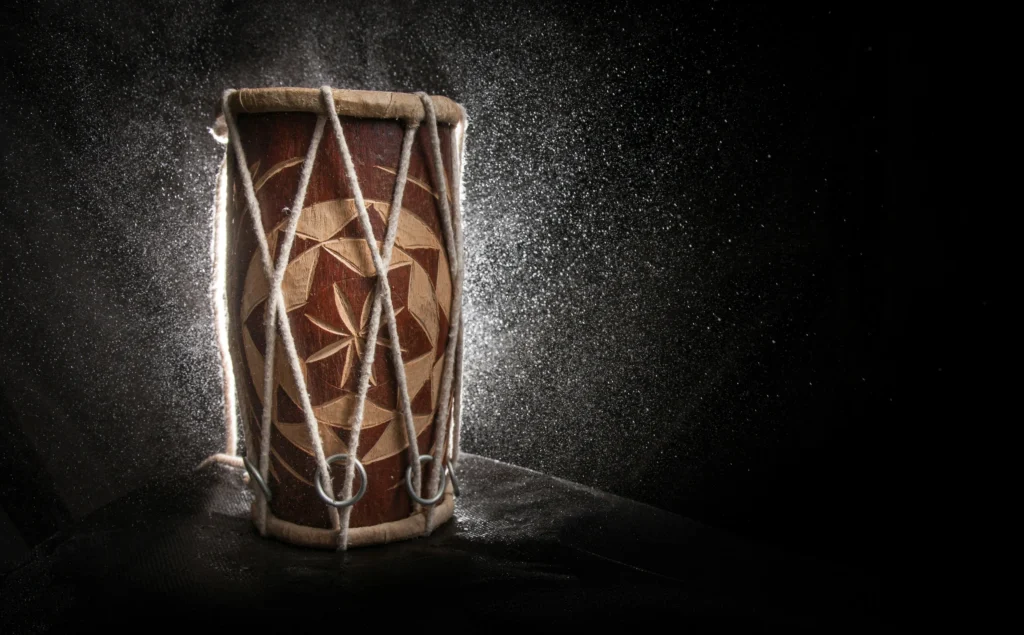
This handcrafted percussion instrument has a cylindrical wooden body, covered at both ends by leather skins stretched by thin strings and adjustable hoops.
Traditionally constructed from plywood or tinplate, the drum features a snare wire over the drumhead, producing a dry and characteristic sound.
Advertisements
Manual tuning requires technical sensitivity from the craftsman, ensuring the proper resonance to withstand the continuous playing practiced by the female drummers during entire days of festivities.
| Technical Element of the Instrument | Materials Used in Production | Sound Function or Ritual | Cultural Impact on the Festival |
| Drum Body | Solid wood or plywood | Acoustic support and projection | Define the traditional aesthetic of the box. |
| Coating Membrane | Fine goat or bovine leather | Production of low or high pitch timbre. | Ensures durability against daily impacts. |
| Mat Staff | Nylon thread or natural gut | Continuous resonant vibration | It gives the characteristic hissing sound of the ringtone. |
| Wooden Drumsticks | Rosewood or ivory sticks | Mechanical execution of rhythms | It allows for variation in dynamics and intensity. |
How does the drumbeat structure the rituals of the Divine Festival?
Characterized by variations in tempo, the rhythm guides each stage of the religious festivities, marking the raising of the flag, the dawn, and the closing of the celebration.
The women, holders of ancestral knowledge, chant litanies and play the drums in unison, establishing spiritual communication between the devotees and the celebrated deity.
No ritual takes place without the accompaniment of this instrument, which guides the steps of the procession and delimits the sacred space of the festive celebration with its presence.
Official documents regarding the safeguarding of Brazilian intangible heritage and cultural assets are available on the portal of National Institute of Historical and Artistic Heritage, federal public authority.
Execute the Divine Box It requires years of community learning, preserving regional rhythmic variations that differentiate the festivities of São Luís from those held in the interior.
Why are the female drummers central to this Maranhão tradition?
Elderly women lead the musical performance, keeping alive the oral transmission of ritual chants and refined percussion techniques passed down through generations.
His community authority extends beyond musical performance, encompassing a rigorous knowledge of popular liturgy and the practical organization of the entire festive ritual.
Read more: Fife: The Popular Flute of the Brazilian Backlands
The respect shown to the female drummers reflects the leading role of women in preserving the cultural heritage of Maranhão, ensuring the historical continuity of the traditional festival.
The mastery of improvised verses and the precise cadence of the drum transforms each performance into an act of identity affirmation and preservation of collective memory.
When and where can I witness the celebrations of the Holy Spirit in Maranhão?
The festivities are concentrated around Pentecost, occurring fifty days after Easter, with the historic center of the city of São Luís being the main focus.
Inland municipalities like Alcântara and Caxias also hold grand celebrations, attracting thousands of visitors interested in the rich sound and religious significance of this popular event.
Learn more: The bass drum: a traditional instrument used in traditional rural festivals.
Attending religious services and dawn services allows one to experience the sonic impact of the instrument. on-site, understanding the communal fervor that surrounds each measure played.
Historical records, cultural data, and event schedules for the State of Maranhão are preserved and cataloged on the portal of... State Secretariat of Culture of Maranhão, official institution.
What transformations and continuities characterize the instrument today?
The inclusion of new generations of musicians ensures the perpetuation of the practice, promoting educational workshops without distorting the sacred essence transmitted by the old masters.
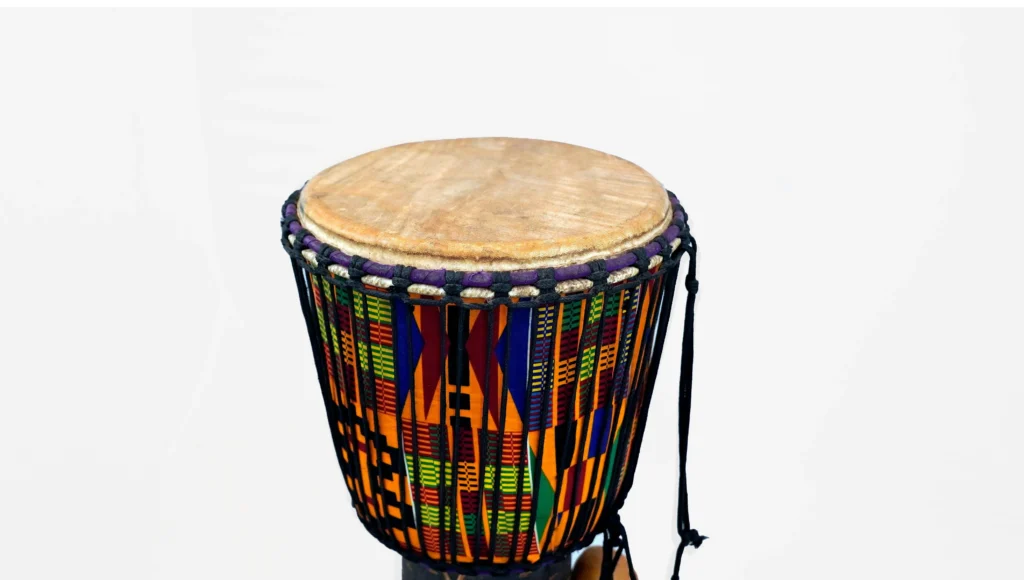
Scholars of ethnomusicology recognize the instrument as a fundamental element of music of African origin, valuing its role in the formation of the national sound heritage.
Read more: Techniques of the divine box in Brazilian popular festivals.
Preserving the materials used in crafting and traditional knowledge faces urban challenges, but continued devotion ensures the instrument's vitality in the contemporary landscape.
Protecting the artisanal production of this drum strengthens the autonomy of local masters, keeping resonant the sound that defines the cultural and spiritual identity of Maranhão.
Frequently Asked Questions (FAQ)
What is the difference between the Caixa do Divino and a regular drum kit?
The drum of the Divine is entirely handcrafted using natural skins, a wooden hoop, and a snare wire, generating an organic, dry, and ritualistic sound.
Can men also play the Divine Box at traditional festivals?
Although women drummers are the historical protagonists in the rituals of São Luís, men also participate in the making and execution of the drums in certain locations in Maranhão.
How long does it take to prepare a traditional caixeira?
Learning occurs throughout life through community interaction, requiring memorization of hundreds of musical notes, religious verses, and liturgical rules of the festival.
