
Fandango tambourine: what changes in relation to the Brazilian pandeiro?
Understanding the particularities of fandango tambourine It is essential for percussionists, researchers, and enthusiasts of popular culture who wish to differentiate this handcrafted instrument from the traditional Brazilian tambourine.
Advertisements
Although both belong to the family of frame drums with jingles, the adufo retains constructive, timbral, and functional characteristics closely linked to the caiçara fandango of the southern coast.
The presence of Iberian-origin features in the making of this rectangular or circular drum gives it a unique rhythmic role during traditional dances in the states of São Paulo and Paraná.
Analyzing the acoustic physics, the choice of rattles, and the manual techniques of execution allows us to recognize the heritage value of this artifact without confusing it with the urban tambourines of popular music.
What is an adufo and how is it structured in the Caiçara tradition?
The adufo is a handcrafted framed drum, square or circular in shape, traditionally made from lightweight wood from coastal regions and goat or sheepskin.
Advertisements
Unlike the pressed metal jingles of the common tambourine, this instrument uses handcrafted metal jingles or tinplate jingles installed directly on the sides of the wooden frame.
This rustic construction produces a dry sound, lacking the sustain characteristic of modern tambourines, allowing the percussion to precisely accompany the tapping of the dancers' clogs.
Touch the fandango tambourine It requires a specific mastery of the wrist, prioritizing sharp strikes on the skin stretched with nails or wooden pegs instead of tuning with metal rods.
What are the technical differences in tuning and sound between the two instruments?
The main acoustic distinction lies in the absence of modern tuning hardware, which requires the player to heat the skin over a fire to stretch the leather before performing.
The traditional Brazilian pandeiro has adjustable tuning pegs with a key, offering precise tuning and deep bass notes with bright treble notes on the brass or bronze jingles.
In contrast, the fandango drum delivers a restrained mid-to-low timbre, where the sound of the leather blends seamlessly with the shrill sound of the hand-strummed drums.
This dry, sonic response is essential to avoid masking the tunings of the handcrafted violas or the wind instruments of the rabeca (a type of fiddle) that lead the local rhythmic patterns.
Technical Comparison Between the Brazilian Tambourine and the Brazilian Pandeiro
| Technical Parameter | Adufo do Fandango Caiçara | Traditional Brazilian Tambourine |
| Rim Geometry | Square or Circular | Strictly Circular |
| Tuning System | Fastening by nails/fire or dowels | Metal tie rods and fasteners |
| Flooring Material | Hand-operated tinplate or sheet metal mills | Brass, bronze or stainless steel plates |
| Acoustic Function | Dry marking for tap dancing | Wide polyphonic rhythmic conduction |
How does the technique of playing the adufo differ from the pandeiro used in choro and samba?
The manual execution of the samba tambourine utilizes the constant alternation of thumb, fingertips, palm, and heel to create the famous rotating movement.
Read more: The history of the tambourine in samba: evolution and modern techniques.
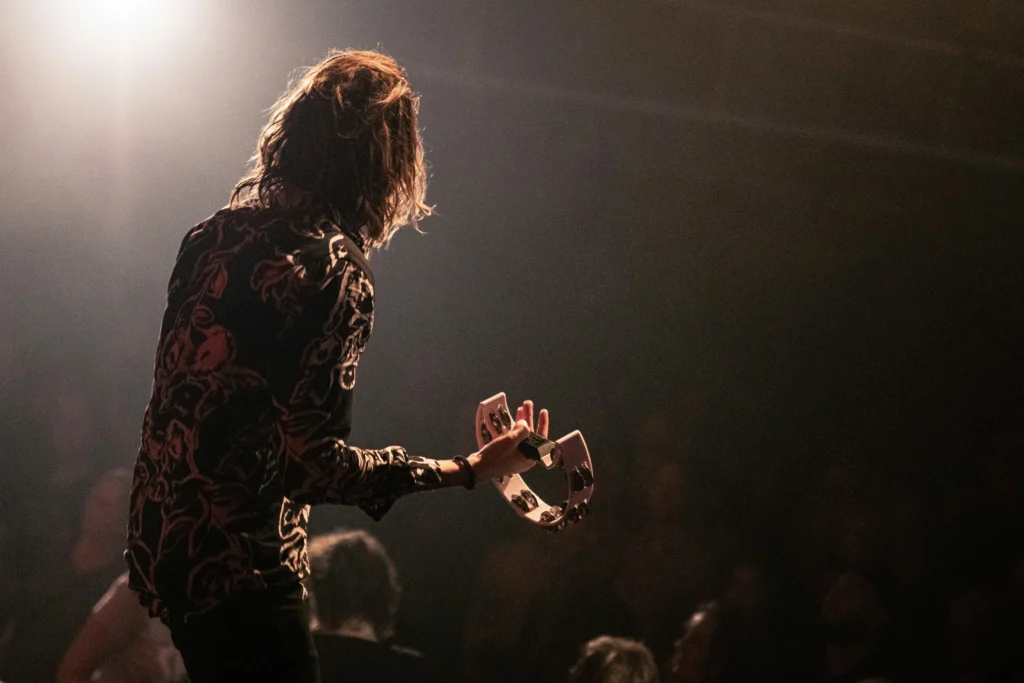
The handling of the tambourine prioritizes direct blows to the center of the skin, accompanied by occasional shakes of the frame to trigger the continuous noise of the rattles in a beating rhythm.
The musician holds the drum with one hand while the other delivers sharp impacts, marking the strong beats that guide the couples on the communal dance floor.
Study the inventory of intangible cultural heritage and ethnomusicological research maintained by National Institute of Historic and Artistic Heritage (IPHAN) to understand the community context.
Why do the geometry and material of the drums alter the rhythm in the fandango?
The quadrangular frame, when present, alters the distribution of the percussionist's hand impact, generating a different vibratory response along the straight edges of the wood.
Learn more: Best Brazilian songs for practicing tambourine.
The tinplate jingles, held in place by side nails, do not rotate freely like the jingle rings of a regular tambourine, producing a more snappy and shorter rhythmic effect.
This sound pattern was designed over the centuries to perfectly complement the crackling sounds of tucumã fruit and the hard wood of the clogs worn in Caiçara dances.
Preserve the original manufacturing process of fandango tambourine It guarantees the authenticity of traditional sounds, preventing the industrial standardization of urban instruments from erasing regional diversity.
When should each instrument be used in musical projects and research?
The rod-tuned tambourine is the ideal choice for arrangements of MPB, choro, samba, and regional rhythms that require tuning dynamics in specific notes.
Read more: Which Tambourine is Better for Samba de Roda? (Torelli vs Luen)
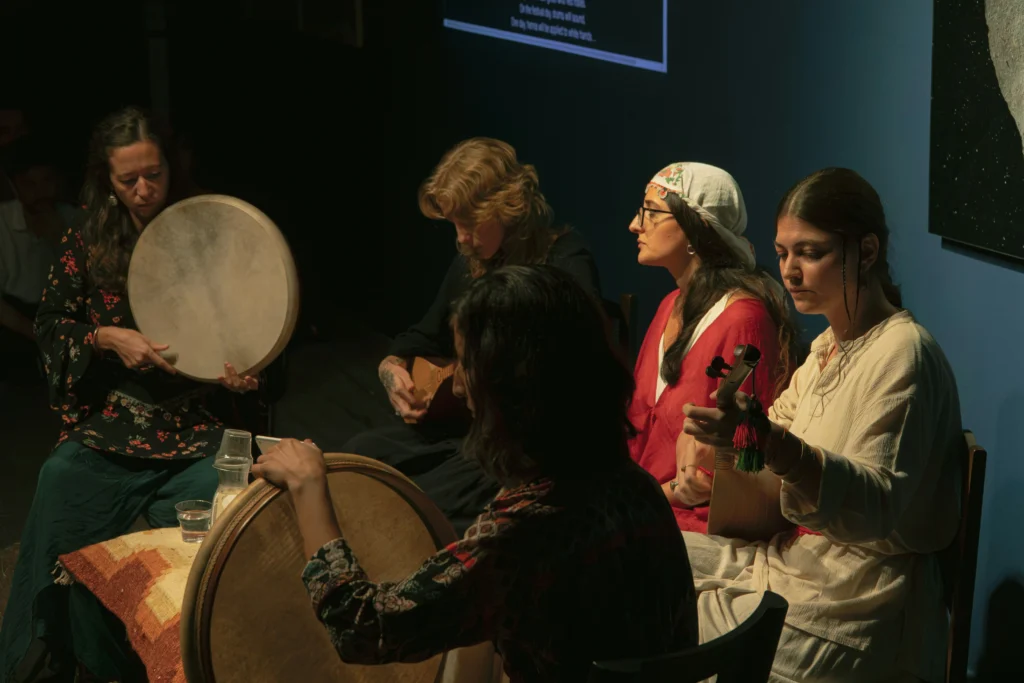
However, when the artistic intention involves the historical reconstruction or authentic performance of the fandango, the handcrafted tambourine becomes an irreplaceable aesthetic element in the percussion.
Producers and researchers should respect the volume dynamics of the traditional drum, since its sound projection was designed for porch spaces and fandango houses.
Consult the collections of data and publications on Brazilian folklore organized by Oswaldo Cruz Foundation (Fiocruz) to deepen the relationship between traditional knowledge and memory.
Frequently Asked Questions (FAQ)
Could the adufo be considered an ancient type of tambourine?
Yes, the adufo is a direct ancestor of modern tambourines, retaining Iberian construction characteristics brought to the Brazilian coast during the colonial period.
Is it possible to tune a tambourine using a regular tuning key?
No, traditional models don't have screws; the tuning is adjusted by bringing the leather close to the heat of a campfire or by adjusting wooden side pegs.
What types of wood are used in the construction of the adufo frame?
Traditional Caiçara artisans use lightweight and durable woods from the Atlantic Forest, such as caxeta or cinnamon, handcrafted to form the drum's structure.
Is the tambourine used in other rhythms besides the fandango?
Although it is the symbol of the Caiçara fandango, variations of this quadrangular drum appear in Epiphany celebrations and traditional manifestations in different Brazilian states.
Recognizing the nuances of fandango tambourine It reveals the richness of Brazilian handcrafted lutherie and its ability to create unique sonic identities.
Distinguishing it from the urban tambourine reinforces respect for the Caiçara memory, ensuring the preservation of techniques, timbres, and traditions that enrich the country's cultural heritage.
