
The bass drum: a traditional instrument used in traditional rural festivals.
The bottom of the pot It is, perhaps, one of the most visceral examples of ingenuity born from a lack of resources. It combines improvised metalwork with the deep beat that anchors the spirit of traditional rural festivals.
Advertisements
What to the untrained eye appears to be merely a rustic object, to those who understand folklore is an indispensable piece of acoustic engineering, carrying centuries of history within its metal casing.
What is a "baixo de tacho" and how is it constructed?
This instrument is an icon of popular organology, usually assembled from a metal pot, like those used for making sweets, which acts as a resonance chamber.
A rough wooden arm is fixed to the edge, supporting heavy nylon or steel ropes under high tension.
Unlike what you buy in stores, each piece has its own unique character. The timbre is shaped by the thickness of the veneer and the type of wood found in the craftsman's backyard.
Advertisements
It's a science of the ear. The visual simplicity hides a mechanism that demands precision so that the sound is not lost in shallow, metallic vibrations.
Handcrafted construction demands patience to adjust the exact point where the string meets the bridge on the metal.
The result is a dry, percussive, and honest sound, tailor-made to mark the time of circle dances and processions.
Why is this instrument essential in traditional rural festivals?
Any Folia de Reis (Three Kings' Day celebration) would sound strangely empty, almost too ethereal, without the support of the low frequencies. the bottom of the pot It's what provides the "foundation" for the viola and accordion to shine. Without it, the harmony floats, but doesn't ground the listener.
During the Divine Holy Spirit festivities, the instrument becomes the group's human metronome, guiding the devotees' steps with a beat that is felt more in the chest than in the ear.
It's common to underestimate its technical importance, but it's the invisible guide that ensures the rhythmic cohesion of all the musicians.
There is something ancestral in the vibration of the struck metal that reverberates through the ground of the squares. This physical connection between the note emitted and the territory where one treads reinforces the identity of communities that see music as a link to cultural survival.
To delve into the richness of expressions that form our social base, the portal of IPHAN It details the registration of intangible heritage and the festivals that keep this knowledge alive.
What are the main technical characteristics of the instrument?
The critical point here is the physics of tension: the pot needs to be robust enough not to collapse under the pressure of the ropes.
Interestingly, the choice of metal, whether copper or aluminum, determines whether the sound will be brighter or fuller-bodied.
Tuning usually follows intervals of a fourth or fifth, but the secret lies in the musician's attack. The technique of plucking the string with the fingers generates a metallic snap that cuts through the noise of the streets.
This natural "click" is essential for the rhythm to be heard amidst the chorus of voices and clapping.
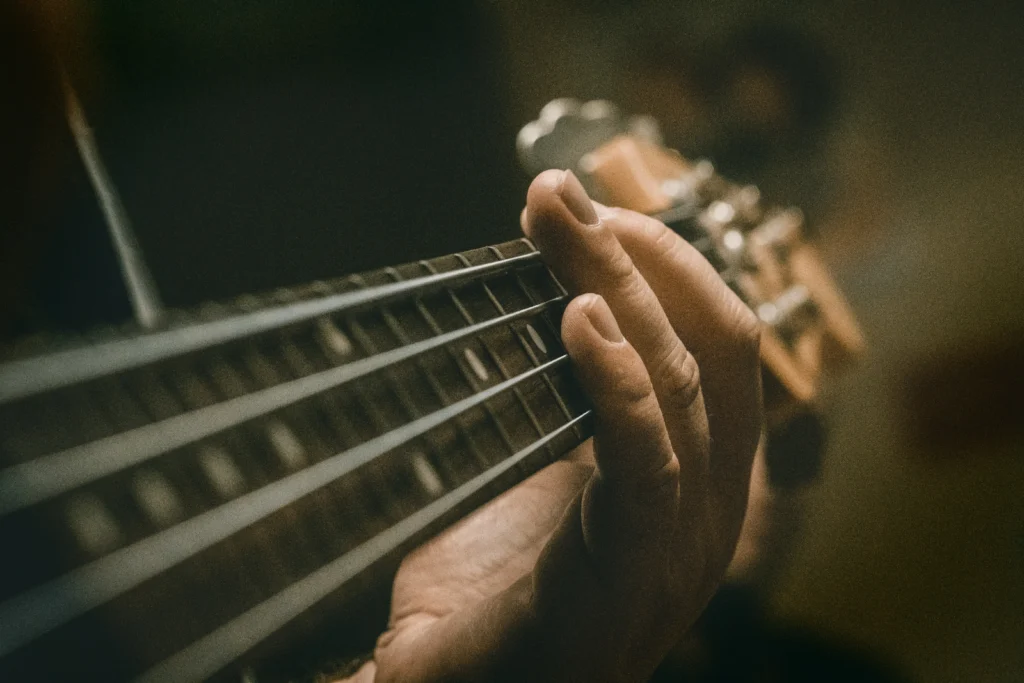
Unlike an orchestral double bass, the focus is not on melodic agility, but on projection.
The instrumentalist needs physical stamina; carrying a heavy pot for miles on foot under the sun requires preparation that goes beyond musical theory.
As the years go by, the bottom of the pot It started to gain modern pickups.
This small modernization allowed the instrument, previously restricted to sidewalks and courtyards, to occupy larger stages without losing its fundamental characteristic of metallic resonance.
| Component | Common Material | Acoustic Function |
| Body | Copper or Aluminum | Metal sound box |
| Arm | Cedar or Angico | Rigid support for tension |
| Strings | Thick nylon / Steel | Low frequency generator |
| Easel | Wood or Bone | Vibration transmitter |
| Pegs | Metal or Wood | Fine-tuning the tuning |
How does a taco bass differ from a traditional string bass?
The big difference lies in the "attack": the traditional pot model has a strident and rustic identity that wood could never replicate.
While the classic acoustic bass seeks a velvety sound, the percussion instrument seeks impact, almost like a tuned drum.
The very act of gripping the pot changes. The circular shape of the pot forces the musician to adopt a specific lateral posture so as not to muffle the vibration of the metal plate with their own body.
Learn more: Comparison: acoustic vs. electric bass
It's a balancing act between holding the instrument and letting it "speak" freely.
In 2026, we realized that metal also handles the thermal variations of the streets better than sensitive wood.
The bottom of the pot It withstands the dew and the heat without cracking, remaining true to its purpose as a battle instrument, made for dust and for celebration.
What are the challenges for preserving this tradition in 2026?
The lack of new, popular luthiers is the bottleneck that most worries field researchers. Working with both metal and wood requires a hybrid knowledge that is being lost as younger generations migrate to factory-made electric instruments.
There is a real effort in some regional music schools to reintegrate these instruments into the curriculum.
Read more: Little-known Latin American string instruments
Valuing the "master of revelry" as a holder of technological knowledge is what prevents this sound from becoming just a dusty museum piece.
The use of recycled materials has given new life to the construction industry. The bottom of the pot Contemporary cuisine can be created from repurposed food industry containers, proving that tradition can adapt without losing the character that made it famous.
How is technology helping to promote this tool?
Social media has allowed the sounds of these festivities to reach international ears, sparking the interest of experimental music producers.
Seeing Brazilian metal being used in jazz or modern pop arrangements is a victory for diversity.
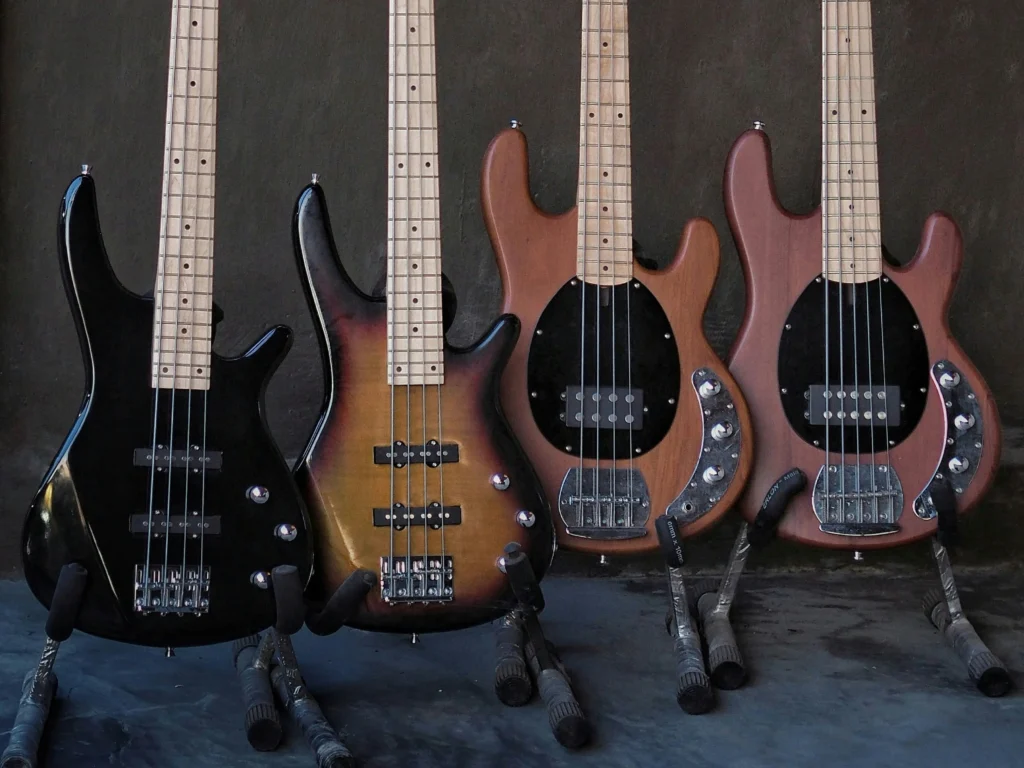
Today's recording studios use contact microphones that capture every nuance of metal. This elevates the metal bass to a professional production level, raising the status of an instrument that was once seen only as a folkloric "stopgap.".
Learn more: Brazil and Its Strings: A Journey Through Fiddles and Violas
To learn about the backgrounds of those who make and play these instruments, the Museum of the Person It contains valuable testimonies that show how traditional Brazilian music has shaped the lives of generations of Brazilians.
FAQ (Frequently Asked Questions)
Does it take a lot of strength to play?
Yes, the strings are usually much thicker than those of a regular bass. This requires strengthening of the fingers and right hand to maintain a steady rhythm during hours of playing.
Is the sound very different from an electric bass?
Absolutely. It doesn't have the sustain of an electric guitar. It's a short sound, with a lot of attack and a metallic aftertaste reminiscent of a gong, creating a very rich and rustic texture.
Where is this instrument most easily found?
The centers of resistance for the "baixo de tacho" (a traditional Brazilian instrument) are in Minas Gerais, Goiás, and the interior of São Paulo. It is a guaranteed element in any Folia de Reis (Three Kings' Day celebration) gathering in these regions.
Can I amplify a bass guitar made from a pot?
Nowadays, yes. Many musicians attach small sensors (piezos) to the body of the drum to connect it to amplifiers, which greatly helps to balance the sound when the group plays in open and noisy environments.
How can I prevent my pot from rusting?
The secret is cleanliness. Since the pan is metallic and exposed to sweat and moisture, wiping it with a lightly lubricated cloth after use helps create a protective layer, maintaining the shine and integrity of the griddle.
